
"PearL project"
200 article(s) found

Fine coffee Rwanda coffee treatment method washing, elevated scaffolding sun drying
Rwandans have been growing coffee since colonial times, but until 1999, its products were still classified as below Class C and were not popular in the global market. The reason for the poor quality is that farmers do not have a fixed procedure for washing coffee beans and do not process coffee fruits according to specifications in time. Buyers buy coffee beans at $0.33 per kilogram, and farmers keep warm by the meagre profits earned at low prices.

The Soul of Andes from the Roof of the World description of the flavor and flavor of Bolivian coffee beans
For the exchange of professional baristas, please follow the coffee workshop (Wechat official account cafe_style) the Soul of Andes from the roof of the world Bolivia ◇ Yungas Caranavi Bolinda Finca Don Carlos Peaberry Yonggas Karana than Don Carlos Manor perfume Queen Pearl beans 1600-1650m Bolivia Don Carlos Manor Perfume Queen Pearl Round Bean Coffee

Kenya Niyeli Kinodi Cooperative Information_Kenya Sun-baked Coffee Bean Flavor Characteristics Introduction
Professional coffee knowledge exchange More coffee bean information Please pay attention to coffee workshop (Weixin Official Accounts cafe_style) Kenya coffee-Kenya Neyri kingoti cooperative sun coffee bean neyri kingoti natural Kenya red cherry is a harvest time, representing this coffee harvest is all red stage, like Ethiopia represents

A brief introduction to the History and Culture of the Origin and Development of Fine Coffee beans in Kimmel Manor, Rwanda
Rwanda is like a friend with a distinct personality in life, at first contact will stay away because of the other person's too distinct personality, but after really getting to know each other, he will be attracted by his unique temperament. Rwanda is such a guy with great personality, with the improvement and improvement of Rwandan coffee in all aspects, its quality has also made a qualitative leap. In 2008, American boutique

The Entrepreneurship behind a Cup of Coffee
Recently, a number of start-up cafes have sprung up in Foshan. The picture is C. C. Coffee Shop. Entrepreneurial coffee shop is a business incubator in the form of coffee shop as the carrier. Starting a business is like coffee, which is sweet only after drinking it. Standing in the Croucher of Zen City. In the coffee shop, if you order a cup of coffee, you can see the big characters on the wall one by one. Of course, in the future, it will attract more people to come here.

Flavor characteristics of Starbucks Rwanda Coffee Bean Story processing method of Rwanda Gesak coffee bean
For the exchange of professional baristas, please follow the coffee workshop (official Wechat account cafe_style). The Monchee Hamuyi processing plant in the western province of Rwanda has worked together to batch the sunburn bourbon species Rwanda West Province Mashesha CWS Bourbon Natural countries: Rwanda Rwanda production area: the western province West Province processing plant: Monseha processing plant Mashesha CWS, Mushuyi

Introduction to the description of baking degree in the flavor producing area of Rwanda boutique coffee beans
Comic relief, a British charity, is also interested in Malaba. They pledged to use some of the 55 million pounds earned from their 2001 Red nose Day (Red Nose Day) in the UK and Africa to donate to the Genocide Widows Association (Association des Veuves du Genocide,AVEGA), one of the great universities of Rwanda in 1994.

Characteristics of Rwandan coffee beans, flavor of Rwandan coffee beans
Following caf é (Wechat official account vdailycom) found that Caf é Beautiful Cafe opened a small shop of its own coffee was first grown in MIBIRIZI monastery in Sangu province of Rwanda, and the first coffee bean variety in Rwanda (natural bourbon variety) was named after the monastery. Then, gradually spread to the Kivu (KIVU) region, and finally spread throughout Rwanda. one

Rwanda IGIHANGO Women's Women's League Coffee Bean Story _ Rwanda Micro batch Coffee Bean
Professional coffee knowledge exchange more coffee bean information please follow the coffee workshop (Wechat official account cafe_style) Rwanda is located in the heart of the interior of Africa, its mountain terrain is fertile land, as well as ancient traditional bourbon species, indicating that the natural environment needed to grow quality coffee beans can be found everywhere in Rwanda. Coffee was introduced to Rwanda by German missionaries in 1904, 1930.

Rwanda Coffee roasting Records Rwanda Coffee Musa processing Farm Coffee lovers' Cooperative
For the exchange of professional baristas, please follow the coffee workshop (Wechat official account cafe_style) Rwanda Coffee lovers Cooperative Musasha treatment Plant bourbon species Rushashi producing area in the Gakenke district of the northern province of Dukunde Kawa Musasa in Rwanda, which was founded in 2000 by United States Agency for International.

Flavor characteristics of Rwandan Coffee washed with Red Bourbon in Rwanda Nioxisha treatment Plant
Professional coffee knowledge exchange more coffee bean information please follow the coffee workshop (Wechat official account cafe_style) Rwanda Nima Guabenio Sisa processing plant red bourbon variety washing Rwanda NyamagabeNyarusiza Washing StationRed Bourbon Washed land Nyamagabe farmers main Buf Caf cooperative varieties Red Bourbon Hongbo

The Perdo Rodriguez Story of Bolivian Rose Summer the characteristics of Rose Summer Coffee beans in Arasi Manor
Professional coffee knowledge exchange more coffee bean information please follow the coffee workshop (Wechat official account cafe_style) said that the Bolivian coffee brand: Perdo Rodriguez, in the boutique coffee industry can be said to be well-known, almost can be said to be the flames of hope for the revival of Bolivian coffee. Not only many boutique coffee trend cards, such as intellectuals regularly rob beans every year, Maruyama in Japan
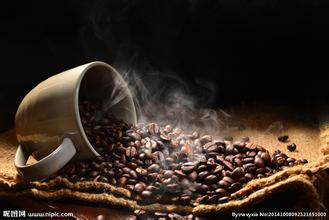
Rwanda Coffee Plantation Rwanda Coffee Region
Rwandans have been growing coffee since colonial times, but until 1999, the product was classified as below grade C and was not available on the global market. The reason for the poor quality is that farmers do not have a fixed procedure for cleaning coffee beans, and they do not process coffee fruits according to specifications in time. Buyers pay $0.33 a kilo for coffee beans, farmers keep warm on the meager margins they earn at low prices

An introduction to the characteristics of fine coffee beans in the manor area
After the first World War, the long-standing dissatisfaction of the Ugandan people with colonial rule finally broke out. A national general strike and rural riots broke out in 1918. In 1919 Buganda launched a democratic movement under the leadership of the Bataka Party and the African Farmers' Union of Uganda. In 1921, Uganda's first national political party, the Ugandan National Congress Party, was established and proposed the implementation of universal suffrage.

Uganda handmade coffee recommended Uganda handmade coffee how to drink Ugandan handmade coffee bitter
For more information on coffee beans, follow the coffee workshop (official Wechat account cafe_style) for many, Uganda may not be the first country to think of high-quality Arabica coffee: it is traditionally considered to be the producer of robusta coffee. In many parts of the country, however, the challenge is more about infrastructure, history and knowledge.

The characteristics of the story of the origin of coffee bean industry in Rwanda
For the exchange of professional baristas, please follow the coffee workshop (Wechat official account cafe_style) Today, when we mention Rwanda, more people immediately think of the 1994 Hutu genocide against the Tutsis in Rwanda (The Rwandan Genocide). In fact, the modern history of Rwanda and the development of coffee industry are inseparable.
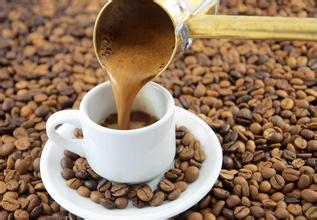
Boutique coffee Rwanda coffee origin Rwanda coffee practice
Rwandans have been growing coffee since colonial times, but until 1999, its products were still classified as below Class C and were not popular in the global market. The reason for the poor quality is that farmers do not have a fixed procedure for washing coffee beans and do not process coffee fruits according to specifications in time. Buyers buy coffee beans at $0.33 per kilogram, and farmers keep warm by the meagre profits earned at low prices.
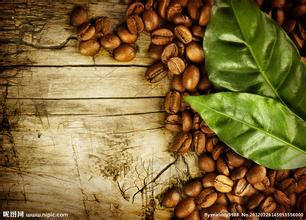
Boutique Coffee Rwanda Coffee Manor 1756 members small farmers
Rwandans have been growing coffee since colonial times, but until 1999, its products were still classified as below Class C and were not popular in the global market. The reason for the poor quality is that farmers do not have a fixed procedure for washing coffee beans and do not process coffee fruits according to specifications in time. Buyers buy coffee beans at $0.33 per kilogram, and farmers keep warm by the meagre profits earned at low prices.
Fine coffee Rwanda Coffee introduces the characteristics of Rwanda Coffee
Rwandans have been growing coffee since colonial times, but until 1999, its products were still classified as below Class C and were not popular in the global market. The reason for the poor quality is that farmers do not have a fixed procedure for washing coffee beans and do not process coffee fruits according to specifications in time. Buyers buy coffee beans at $0.33 per kilogram, and farmers keep warm by the meagre profits earned at low prices.

Boutique coffee Rwanda coffee flavor red apple, cherry, cinnamon, honey
Rwandans have been growing coffee since colonial times, but until 1999, its products were still classified as below Class C and were not popular in the global market. The reason for the poor quality is that farmers do not have a fixed procedure for washing coffee beans and do not process coffee fruits according to specifications in time. Buyers buy coffee beans at $0.33 per kilogram, and farmers keep warm by the meagre profits earned at low prices.